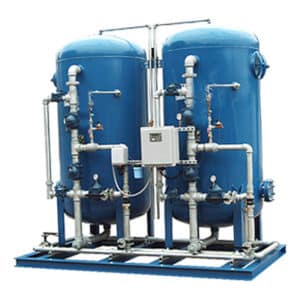
In the world of natural gas processing, maintaining efficient dehydration systems is vital for operational success and equipment longevity. However, the intrusion of salt-rich water into these systems can cause corrosion, hot spots, and reduced efficiency. Enter Dynalene's ion exchange processes—a simple yet powerful solution that can make a big difference - all without the cost of down-time.
Results and Discussion
Over 46 hours, chloride levels in TEG dropped from 2486.3 ppm to 75.6 ppm—a substantial improvement. This successful removal not only restored system efficiency but also demonstrated the operational and economic benefits of Dynalene’s ion exchange-based contamination removal.
Conclusion
Implementing Dynalene’s ion exchange processes at Gill Ranch Storage showcases their effectiveness in improving natural gas dehydration systems. With their cost-effectiveness and ability to restore system efficiency, Dynalene’s ion exchange processes offer a reliable solution for addressing contamination issues in natural gas processing.
Summary
Dynalene’s ion exchange processes provide a simple yet extremely effective way to improve the performance of natural gas dehydration systems, offering cost savings and operational benefits in the process.